The Material Decision That Defines Your Brand
When you're building a custom boxing glove line, the material you choose doesn't just affect cost — it defines your brand's market positioning, your customers' daily experience, and the shelf life of your product in a competitive market. Three materials dominate the industry: genuine cowhide leather, premium microfiber (synthetic leather), and PU (polyurethane). Each has a distinct use case, and the right choice depends entirely on your target customer and business model.
As a Sialkot-based OEM factory with decades of boxing glove production experience, we've worked with brands at every price point. Here's our honest breakdown of each material to help you make the decision with confidence.
Genuine Cowhide Leather: The Premium Standard
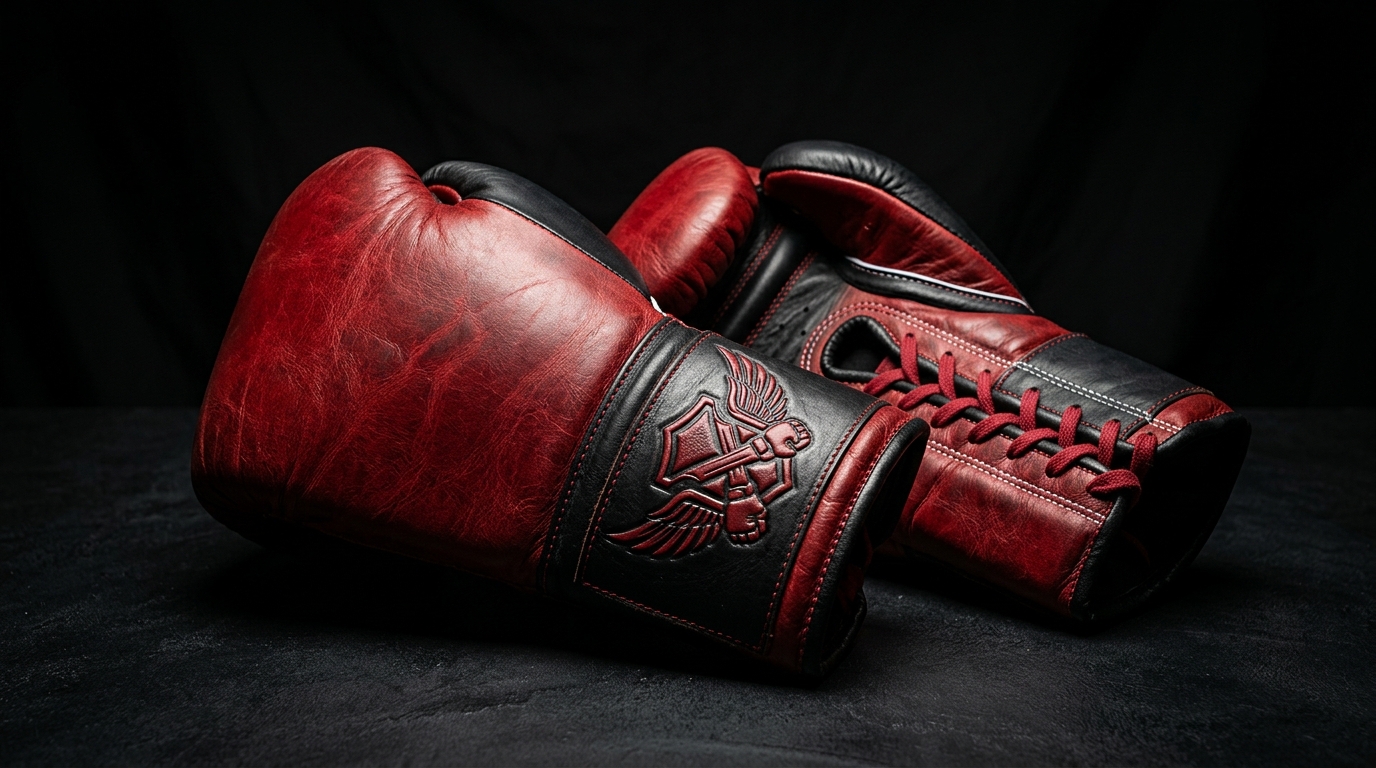
Full-grain cowhide leather has been the material of choice for professional boxing gloves for over a century — and for good reason. When properly tanned and finished, cowhide delivers:
- Exceptional durability: Quality leather gloves regularly last 3–5 years of daily heavy bag training when properly maintained. The material resists abrasion, retains structural integrity under repeated impact, and doesn't delaminate like lower-quality synthetics.
- Natural breathability: The porous structure of genuine leather allows moisture to escape during training, reducing the sweat buildup that degrades foam liners and causes odor. Fighters notice significantly less hand fatigue during long sessions with leather gloves.
- Premium aesthetics: Leather develops a beautiful patina over time, and the texture communicates quality immediately at point of sale. Retail price points for leather gloves typically range from $80 to $250+ depending on construction and brand.
- Better grip texture: The natural grain of cowhide provides tactile feedback that many fighters prefer during clinch work and pad combinations.
The trade-offs are real, however. Genuine leather requires more rigorous quality control during cutting and stitching. Color options are more limited than synthetics, and deep saturated hues are harder to achieve consistently. Leather also requires proper maintenance — fighters must condition their gloves regularly to prevent cracking, particularly in dry climates.
From a manufacturing standpoint, leather is also 30–60% more expensive than quality microfiber. For brands targeting professional fighters, serious amateur competitors, or premium gym retail, this premium is justified. For entry-level or youth markets, it typically isn't.
Premium Microfiber: The Smart Middle Ground
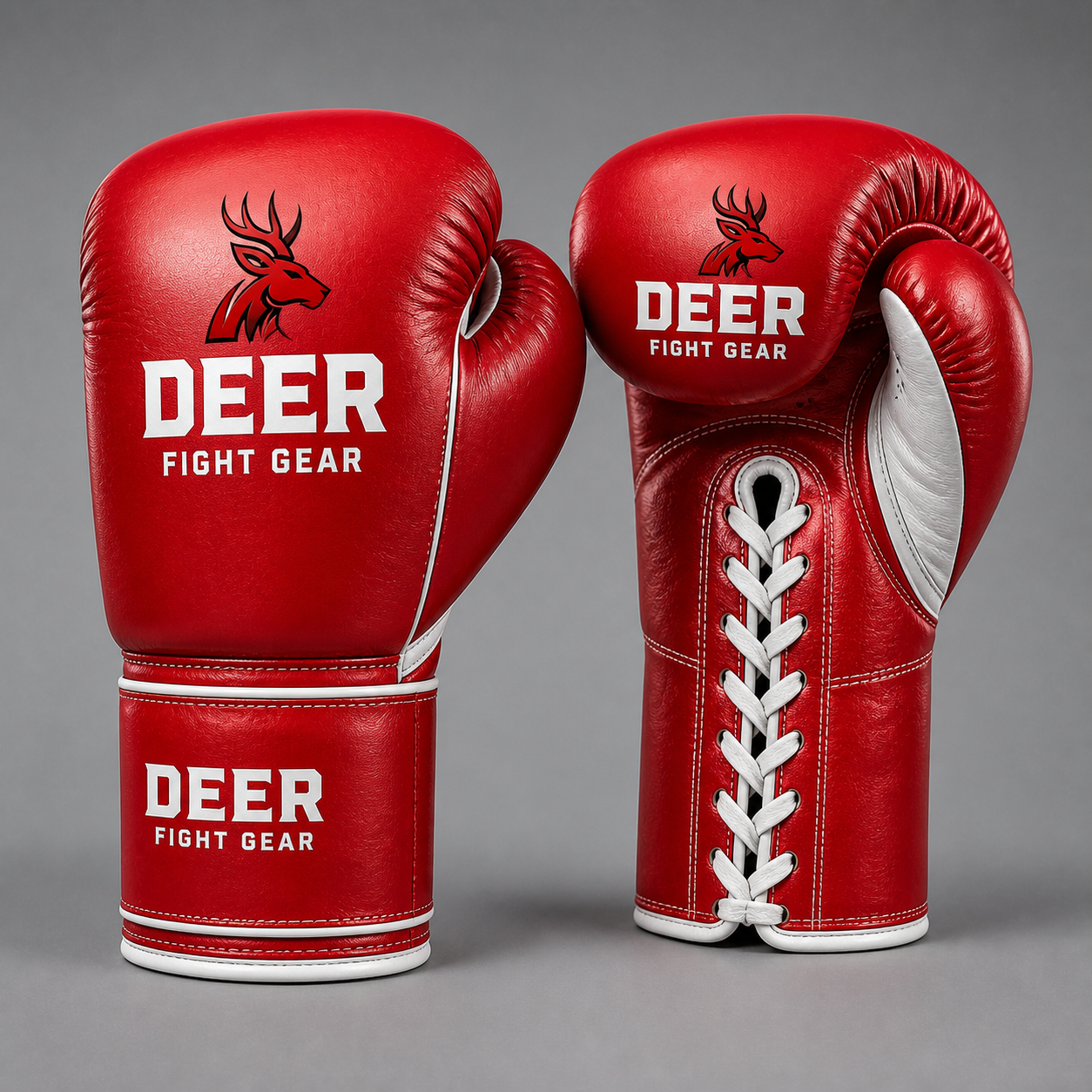
Premium microfiber — often marketed as synthetic leather or vegan leather — has improved dramatically over the past decade. Today's best microfiber materials are nearly indistinguishable from genuine leather in appearance and perform comparably in many use cases.
What makes microfiber compelling for OEM fight gear brands:
- Consistent quality control: Unlike leather, which varies between hides, microfiber is manufactured to tight specifications. Every roll of material has predictable thickness, tensile strength, and surface texture. This consistency translates to fewer cutting rejects and more predictable production yields.
- Superior color options: Microfiber accepts dye more uniformly than leather, enabling rich, vibrant color combinations that hold well over time. Gradient effects, multi-zone color blocking, and complex print overlays are all significantly easier to execute on microfiber.
- Lower cost per unit: Premium microfiber typically costs 35–50% less than comparable cowhide, while basic microfiber can be 60–70% less. This allows brands to either improve margin or price more aggressively.
- Animal-free positioning: With vegan and cruelty-free purchasing decisions growing across fitness demographics, synthetic leather opens your brand to a customer segment actively avoiding animal products.
The realistic limitations: microfiber doesn't breathe as naturally as genuine leather, which can lead to slightly more sweat accumulation in high-intensity training scenarios. Durability, while good in premium grades, typically caps out at 2–3 years of daily use versus leather's potential 5-year lifespan. And some experienced fighters can detect the difference immediately through feel.
PU (Polyurethane): The Entry-Level Option
Standard PU materials are the most affordable option and have their place in the market — specifically for beginner programs, kids' gear, and high-volume gym equipment where durability expectations are lower. PU gloves typically retail between $25–$60 and are appropriate for light bag work, fitness boxing classes, and introductory martial arts programs.
For brands targeting serious fighters or premium gym retail, PU is generally not recommended. The material wears quickly under heavy use, peels at stress points, and communicates a budget positioning that's difficult to overcome even with excellent branding.
Foam Construction: The Other Critical Variable
Material selection doesn't end at the outer shell. The foam construction inside your boxing gloves is equally important for performance, safety, and product differentiation.
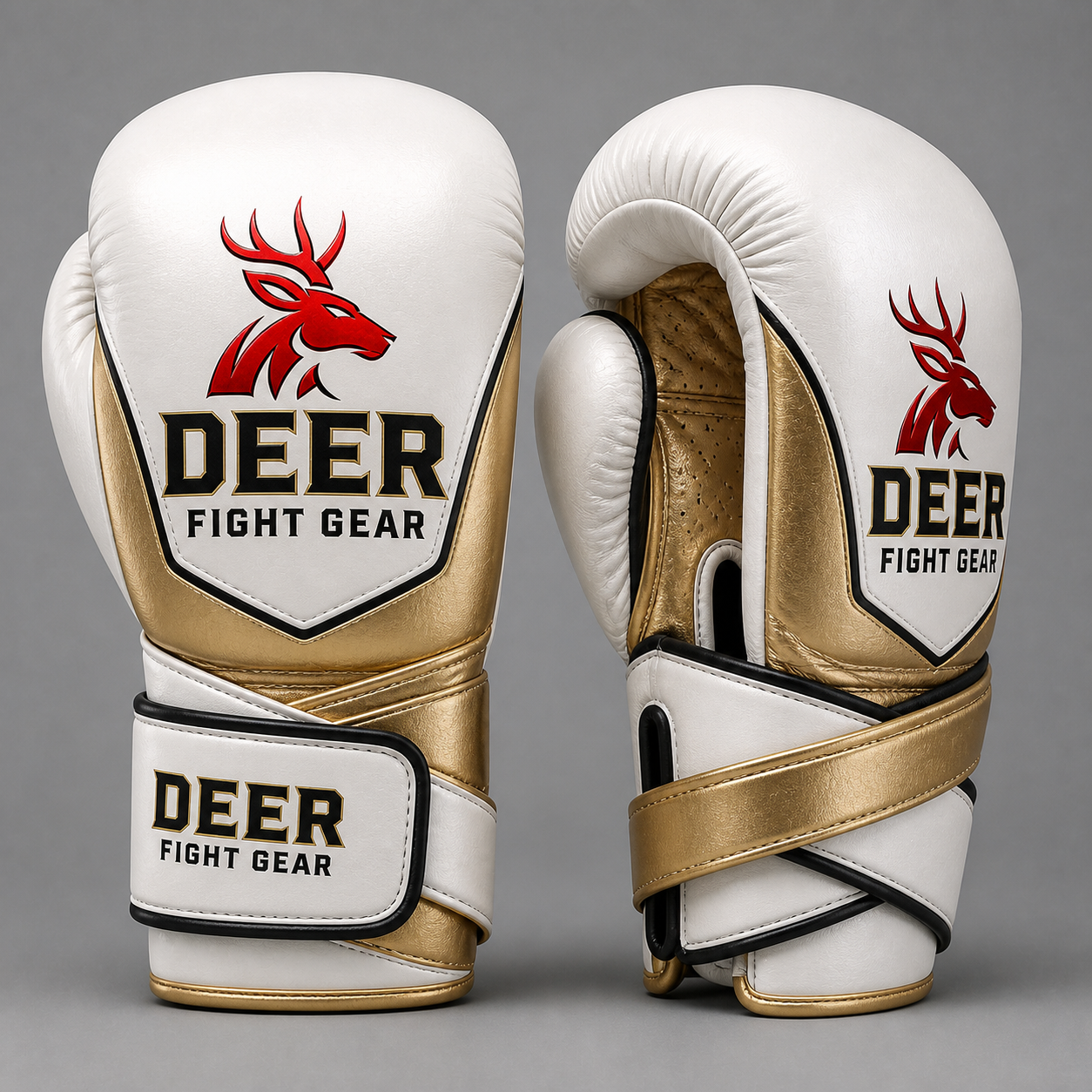
Single-density EVA foam is the baseline — affordable, adequate for beginner use, but provides minimal protection against accumulated impact. Dual-density foam layers a softer inner foam with a firmer outer layer, improving shock absorption and extending glove lifespan. Triple-density or multi-layer foam configurations, often including a shock-absorbing inner core, are used in high-performance sparring and competition gloves.
Memory foam inserts have gained popularity in recent years for personalized fit and premium positioning. Gel-integrated foam systems, popularized by major brands, can be replicated in OEM production for brands targeting the high-performance segment.
Making Your Decision: A Framework
Use this simple decision framework to guide your material selection:
- Targeting professional fighters or serious amateurs: Choose genuine cowhide leather with multi-density foam.
- Mid-market gym retail ($60–$120 range): Choose premium microfiber with dual-density foam.
- Beginner programs, fitness boxing, kids: Standard microfiber or PU with single or dual-density foam.
- Vegan/sustainable brand positioning: Premium microfiber regardless of price tier.
- High-volume corporate gym programs: Standard microfiber or PU based on unit cost targets.
At Deer Fight Gear, we produce custom boxing gloves in all three material categories across our full MOQ range. Our sampling team will provide material swatches and comparative samples upon request so you can make the final decision with physical materials in hand — not just specifications on paper. Contact us to start your custom boxing glove project today.