Why Protective Gear Specifications Matter More Than You Think
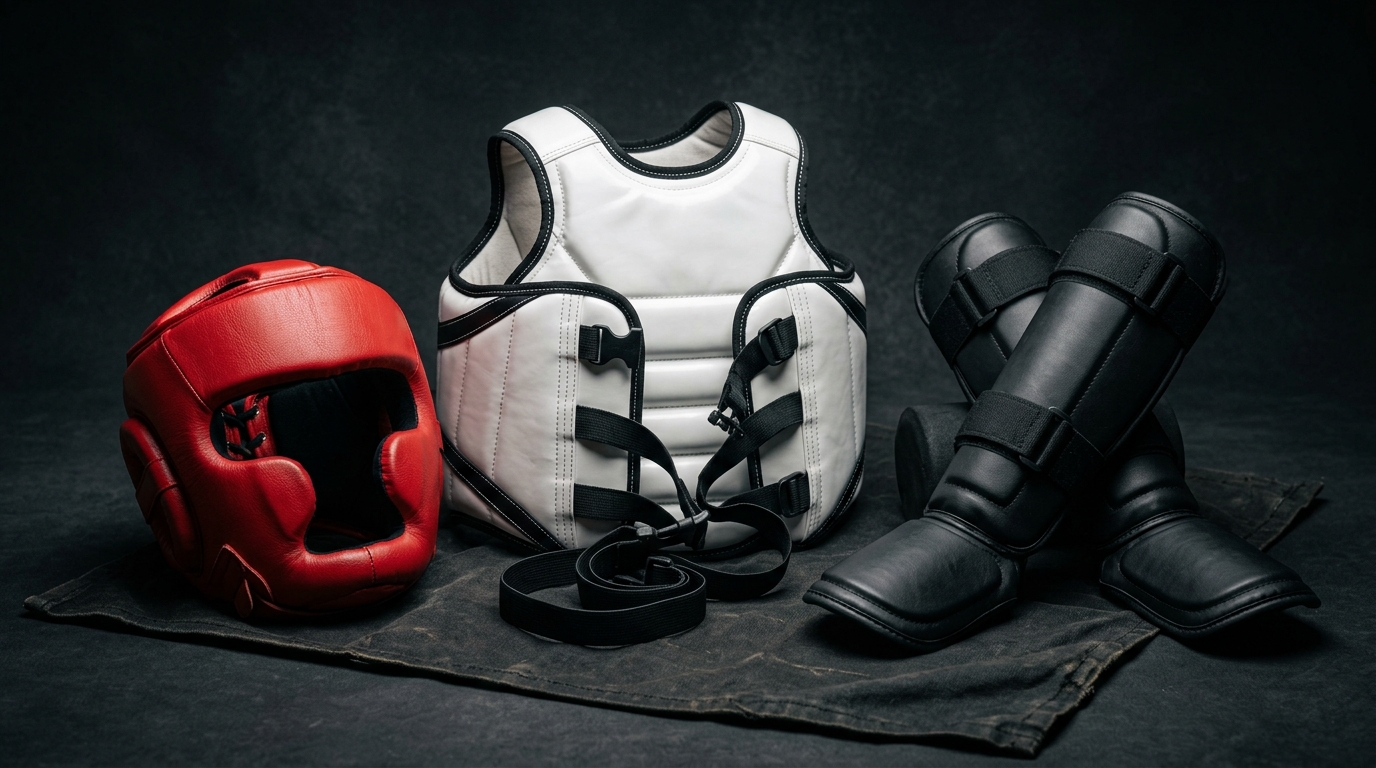
Protective equipment is the most technically demanding category in fight gear manufacturing. Unlike apparel or boxing gloves where aesthetic appeal can compensate for modest technical shortcomings, protective gear has a non-negotiable function: it must protect athletes from injury. Getting the specifications wrong doesn't just create customer service problems — it can result in injuries, liability exposure, and lasting reputational damage for your brand.
This guide provides a systematic framework for briefing custom protective equipment — whether you're developing a full sparring set for a boxing program, competition protective gear for a karate team, or entry-level safety equipment for a fitness kickboxing class. Apply these principles to every protective gear project to ensure your products perform as promised.
Understanding Protective Equipment Categories
Combat sports protective equipment broadly divides into impact protection (shin guards, head guards, body protectors, gloves) and joint support (knee pads, elbow guards, ankle guards). Each category has different foam requirements, shell designs, and closure systems.
Before writing a single specification, define the use case clearly:
- Training use: Daily use in a training environment requires prioritizing durability, comfort, and practical features like easy-on/off closures. Training gear takes significantly more abuse than competition gear and must be built accordingly.
- Competition use: Competition gear may prioritize compliance with specific regulatory standards (WKF, World Taekwondo, ISKA, etc.) and visual presentation. Competition gear is typically used less frequently than training gear but must meet higher technical standards.
- Multi-sport use: Some protective gear (particularly head guards and shin guards) is used across multiple disciplines. Design for the most demanding use case and ensure the product meets requirements across all intended sports.
Shin Guards: The Most Critical Protective Item in Striking Arts
Shin guards are the primary protective item for Muay Thai, kickboxing, and full-contact karate training. A poorly specified shin guard is not just uncomfortable — it can result in shin fractures during sparring. Take these specifications seriously.
Shell Material
PVC shell: The entry-level standard. Rigid PVC provides basic impact distribution but tends to crack after extended use, particularly in cold environments. Appropriate for beginner and fitness class use where training intensity is moderate.
Nylon shell: More flexible and durable than PVC. Nylon shells distribute impact better and resist cracking under repeated stress. Suitable for intermediate training programs.
Leather or synthetic leather outer: Premium construction wraps a rigid inner shell in leather or high-quality microfiber. This construction is more comfortable, more durable, and significantly more premium in appearance. Required for any product positioned above entry level.
Foam Specification
The foam between the shell and the athlete's body is the primary energy-absorbing element. Specify foam density in kg/m³ — too soft and the foam compresses fully under impact without protecting; too firm and the energy transfers directly through to the athlete. For shin guards, the standard range is 80–120 kg/m³ for the primary protection layer.
Multi-layer foam constructions are the professional standard: a firm outer layer that manages initial impact spread, a softer inner layer that absorbs residual energy, and a moisture-wicking interior liner for comfort. This three-layer approach provides meaningfully better protection than single-density alternatives.
Closure Systems
The closure system determines whether the shin guard stays in position during intense training — which directly affects both protection efficacy and user frustration. Options:
- Hook-and-loop (Velcro) wrap straps: Fast to put on, highly adjustable, works well for mixed training populations. The limitation is that Velcro degrades with repeated washing and can lose grip over time.
- Hook-and-eye neoprene sleeve: A full neoprene sleeve that the shin guard integrates with provides excellent stability and won't shift during training. Popular in Muay Thai for the clean, professional appearance. Sizing is more restrictive than strap closures.
- Elastic strap with buckle: Provides precise tension control and reliable closure. Commonly used in competition gear where stability is paramount.
Head Guards: Balancing Protection with Visibility
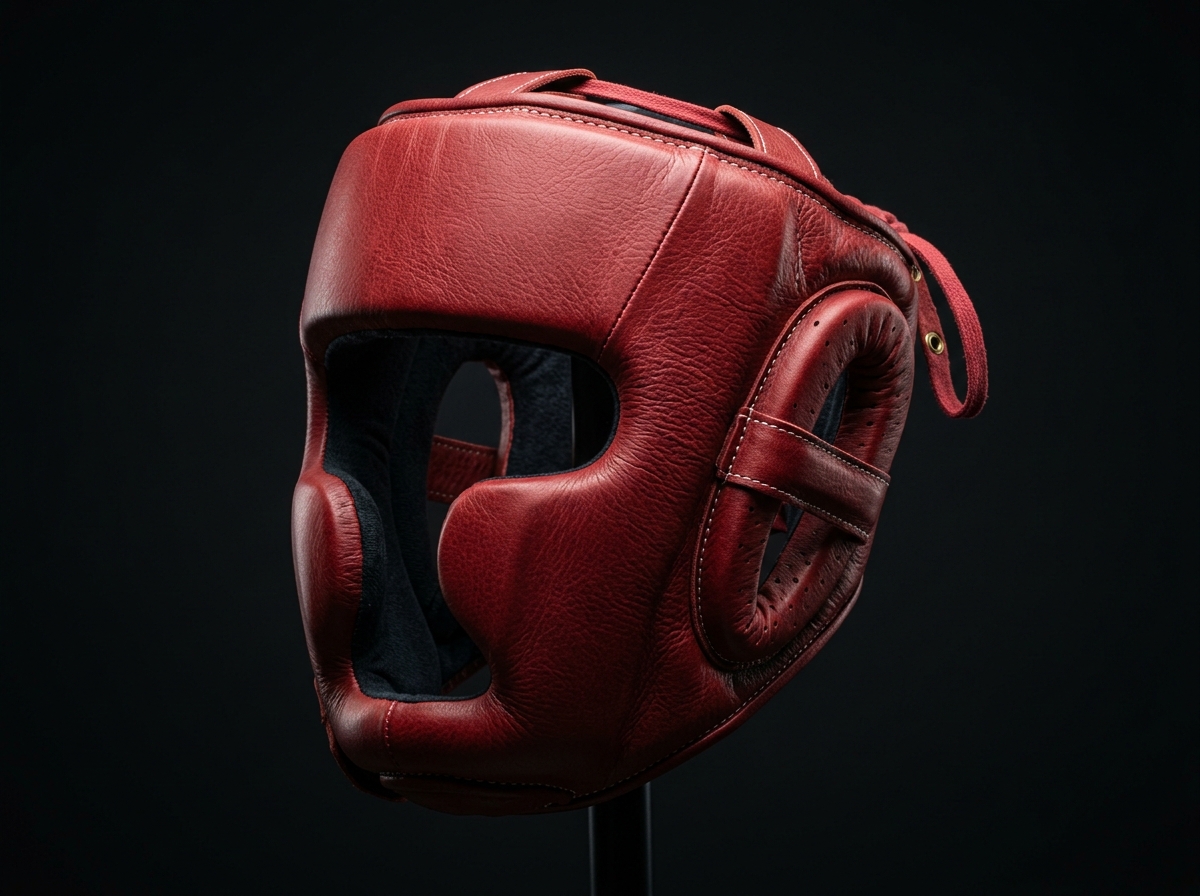
Head guard design involves a fundamental trade-off: more foam coverage provides better protection, but also restricts the wearer's peripheral vision and communication ability. The optimal design balances these competing priorities based on the intended use case.
For beginner and intermediate sparring programs, a full-face head guard with cheek and chin coverage provides maximum protection and is recommended regardless of the slightly reduced visibility. For competition and advanced sparring, open-face designs allow better visual range and faster reactions, with protection focused on the most vulnerable impact zones.
Face bar or cage head guards are mandatory in many youth boxing programs and increasingly popular in adult fitness boxing. Specify clearly whether your head guard needs to accommodate face bar hardware, as this significantly affects the shell design and production cost.
Body Protectors and Chest Guards
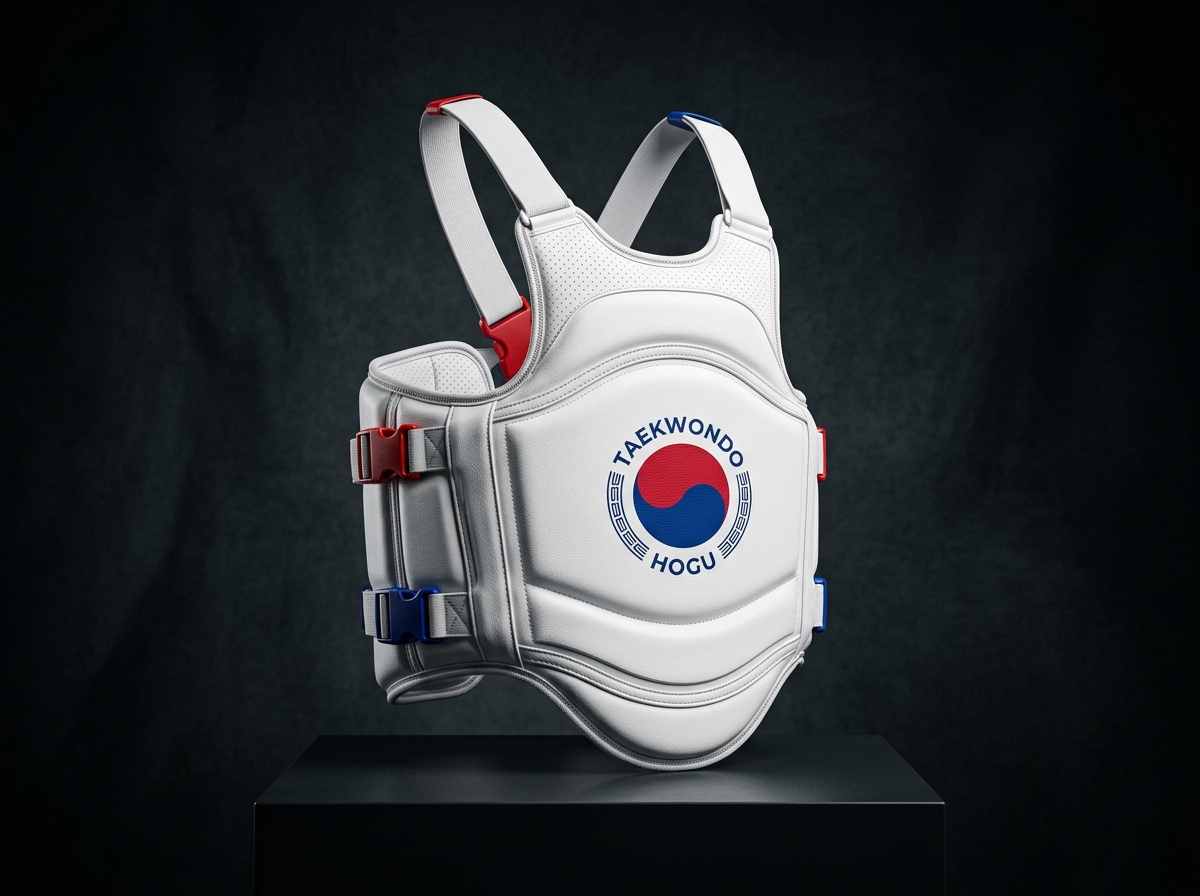
Body protectors (also called chest guards or body shields) are essential for karate, taekwondo, and kickboxing competition, and increasingly popular for training across striking arts. The key specification decisions:
- Coverage area: Torso-only versus shoulder-integrated (full upper body) — more coverage adds weight and bulk but provides better protection against body kicks and accidental shoulder contact.
- Electronic sensor compatibility: For World Taekwondo (WT) competition equipment, chest protectors must be compatible with specific electronic scoring systems. Confirm the required sensor compatibility before design begins.
- Closure system: Back closure straps with shoulder attachments are standard. Ensure the closure system distributes the protector's weight evenly and maintains position during explosive kicking exchanges.
Testing and Safety Standards
For professional protective equipment sales, you'll need to meet specific safety standards depending on your target market. The key standards affecting combat sports protective gear include:
- CE marking (EU): Required for personal protective equipment sold in European markets. CE certification requires third-party laboratory testing against specific impact attenuation standards.
- WKF approval: Required for equipment used in World Karate Federation events. Approved equipment is listed on the WKF equipment register.
- WT approval: Required for chest guards and foot protectors used in World Taekwondo events.
At Deer Fight Gear, we manufacture custom protective equipment for clubs, distributors, and brands worldwide. Our factory team will guide you through material selection, foam specifications, and closure system design to ensure your products perform as required. All custom protective equipment is available with full private label branding starting from 50 units per size per style. Request your protective gear specification quote today.